Loading...
The Future of UX: How AI is Redefining User Experience
June 6, 2026
8 min read
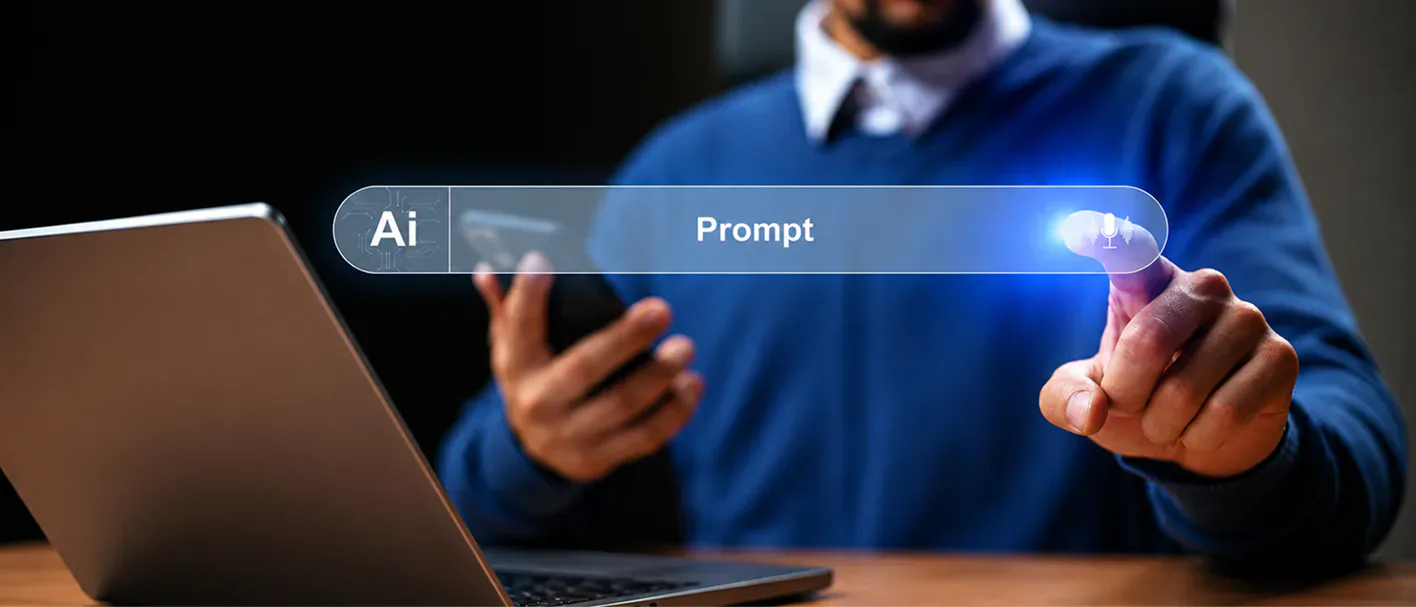
Artificial Intelligence is not just changing technology it's fundamentally transforming how we design and experience digital products. As UX designers, we're standing at the precipice of a revolution that promises to make interfaces more intuitive, personalized, and human-centric than ever before.
The AI-Driven Paradigm Shift
Traditional UX design has always been about understanding user needs and creating solutions that address them. However, AI introduces a dynamic element to this equation. Rather than designing static experiences based on user research alone, we can now create adaptive systems that learn from user behavior in real-time.
Machine learning algorithms can analyze millions of user interactions to identify patterns that would be impossible for human designers to spot. This data-driven approach doesn't replace human creativity—it amplifies it, giving designers unprecedented insights into user behavior and preferences.
"AI doesn't replace designers it empowers them to create experiences that evolve and improve with every interaction."
Personalization at Scale
One of the most exciting applications of AI in UX is hyper-personalization. Imagine interfaces that automatically adjust their layout, content, and features based on individual user preferences and behavior patterns. This isn't science fiction it's happening now.
Streaming platforms like Netflix and Spotify have already demonstrated the power of AI-driven personalization. But we're just scratching the surface. The next generation of digital products will feature interfaces that adapt not just content, but their entire structure to match individual user mental models and workflows.
Key Benefits of AI in UX Design
Predictive Interfaces:
Systems that anticipate user needs before they're explicitly expressed
Adaptive Layouts:
Interfaces that reorganize themselves based on usage patterns
Intelligent Assistance:
Context-aware help that provides guidance exactly when needed
Accessibility Enhancement:
AI-powered tools that make products accessible to everyone
The Designer's Evolving Role
As AI becomes more integrated into the design process, the role of UX designers is evolving. We're moving from being creators of fixed experiences to architects of adaptive systems. This requires new skills and a different mindset.
Designers now need to understand not just how users interact with interfaces, but how systems learn from those interactions. We must design for edge cases, ensure ethical AI implementation, and create frameworks that maintain human values while leveraging machine intelligence.
The Final Product:
Once the project is fully paid for, the final designs and code are yours. You own the rights to the finished product.
Our Tools:
We retain the rights to the internal tools, frameworks, or base code we have developed over the years to help build your project.
Revisions and Changes
We want you to love the final result. Most of our packages include a set number of revisions. If the project scope changes significantly, such as adding a whole new feature that was not discussed originally, we will let you know about any extra costs before we start.
Confidentiality
Your ideas and business data are safe with us. We will never share your sensitive information with third parties. Likewise, we ask that you keep our internal processes and pricing confidential.

Your Team, Without the Hiring Hassle
Your team is ready. No hiring process needed.
Hire a Dedicated Team